 Hartberg Hub
Hartberg's Tactical Flexibility: Adapting to Recent Challenges
As TSV Hartberg continues their campaign in the Austrian League, recent performances have sparked discussions among fans and analysts alike. While Die Hartberger have shown glimpses of brilliance, consistency remains an elusive target. A tactical analysis of their recent form suggests that subtle adjustments could reinvigorate the squad and lead to improved results.
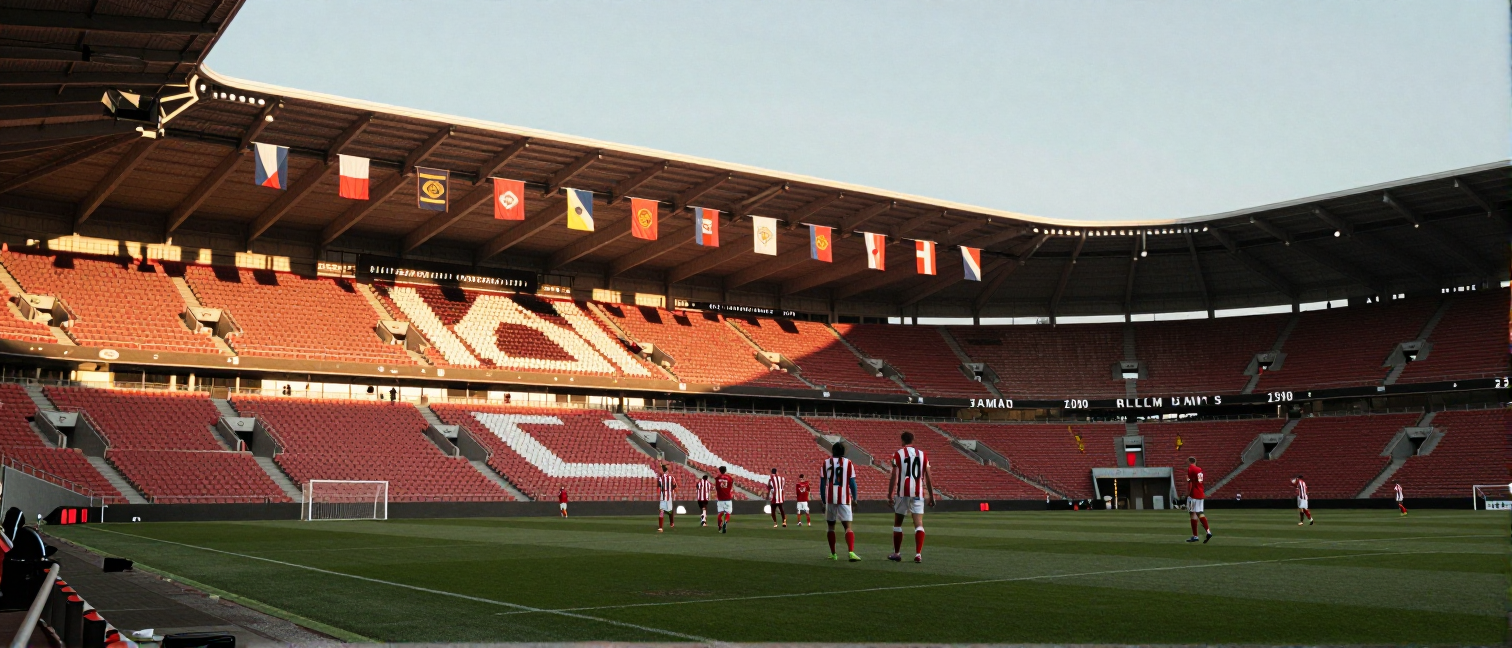
The current tactical setup for Hartberg typically features a 4-2-3-1 formation, which has offered a balance between defensive solidity and attacking intent. However, in recent matches, the team has struggled to maintain possession and control the tempo of the game. A critical examination of their midfield dynamics reveals that the double pivot often lacks the necessary support from the attacking midfield trio, resulting in a disconnect that has hindered their ability to transition smoothly from defense to attack.
To address this issue, one suggested tweak is to shift to a 4-3-3 formation. By introducing an additional midfielder, Hartberg can bolster their control in the center of the park and create more passing lanes. This change would allow the team to dictate play more effectively while also providing defensive cover, reducing the pressure on the backline. A more compact midfield can also facilitate quicker transitions, enabling the forwards to exploit spaces left by opposition defenders.
In terms of personnel, it would be beneficial to utilize a more dynamic and versatile midfielder who can link up play and contribute defensively. This player could act as a bridge between the backline and the attacking unit, thereby ensuring that the team retains possession and can build attacks methodically. Additionally, having wingers who can cut inside and create overloads in central areas would complement this formation change, providing more options in the final third.
On the defensive end, Hartberg has shown resilience but has occasionally been caught out in wide areas, particularly against teams employing quick wing play. To enhance their defensive stability, a more flexible approach to pressing is advisable. Instead of applying a high press consistently, the team could adopt a mid-block system that allows them to maintain shape while still being aggressive in winning the ball back. This approach would help mitigate the risk of being exploited on counter-attacks, which has been a recurring theme in their recent matches.
Moreover, integrating a more fluid attacking strategy could also pay dividends. Encouraging the full-backs to overlap more frequently would stretch the opponent's defense and create space for the forwards to exploit. This tactical tweak, combined with an emphasis on quick, incisive passing, can lead to more goal-scoring opportunities and ultimately result in a more potent attack.
Finally, communication and synergy among the players must be prioritized in training sessions. The introduction of small-sided games focusing on positional play can enhance understanding and cohesion, allowing players to instinctively know where to be and how to support one another on the field.
In conclusion, while Hartberg's current tactical framework has its merits, adapting their approach to incorporate a more flexible midfield structure and a dynamic attacking strategy could yield significant improvements. By embracing these suggested tweaks, Die Hartberger can elevate their performance, regain their competitive edge, and make a strong push in the league as the season progresses.